Guide · 5 min read
Highway Breakdown Safety in Ontario: A 400-Series Guide
On a 400-series highway, speed and traffic make waiting dangerous. Position, visibility and an exact location keep you safer.
On this page
By MyTowPublished 5 min read
Key takeaways
- Get as far right as possible, hazards on, and stay buckled in if traffic is close.
- Note the highway, direction and nearest exit or kilometre marker for your request.
- Ontario's Move Over law protects stopped emergency vehicles and tow trucks with flashing lights.
- If you exit the vehicle, use the side away from traffic and stand behind a barrier or guardrail.
Why highways are different
At highway speeds, a vehicle on the shoulder is at real risk of being struck. Shoulders can be narrow, especially on the busiest 400-series stretches around Vaughan, Toronto and Mississauga. Your priorities are visibility, distance from traffic and a precise location.
First minute: what to do
- Signal and move as far right as possible; use the shoulder, not a live lane
- Turn on hazard lights
- Keep your foot off the brake once stopped so brake lights do not confuse drivers behind you
- Turn the wheels away from the road
- Decide whether to stay buckled in or exit
Stay in or get out?
If traffic is close and fast, staying buckled in with the hazards on is often safer than standing on the shoulder. Exit if there is smoke, fire or a risk of being struck, or if the vehicle is in a live lane.
If you exit, use the door away from traffic, move well off the road behind the guardrail or barrier and keep an eye on traffic. If anyone is injured, there is a fire or smoke, or the vehicle blocks a live lane, call 911 first.
Pinpoint your location
Share your location with MyTow's online request so dispatch sees it right away, or tell dispatch by phone.
- Highway name or number and direction of travel
- The nearest exit number, interchange or cross-street
- Kilometre marker or a visible overhead sign
- A distinctive landmark: bridge, service centre or large sign
Ontario's Move Over law
Ontario's Highway Traffic Act requires drivers to slow down and, when safe, move over for stopped emergency vehicles and tow trucks with flashing lights. Check the Ministry of Transportation for current details. Drivers who do not move over put roadside workers and people waiting at risk.
Do not attempt repairs
Do not change a tire, check under the hood or jump start a vehicle on a live highway shoulder. Request roadside help or a tow and wait in the safest place available.
At night and in bad weather
- Keep the interior light on so you are visible
- Wear a reflective vest if you have one
- Use the hazard lights, not the headlights alone
- In winter, keep the exhaust pipe clear of snow if you run the engine for heat
Common problems and solutions
| Problem | What to do |
|---|---|
| Engine failure on a narrow shoulder | Hazards on, stay buckled in if traffic is close and request help with your exact location. |
| Vehicle stopped in a live lane | Call 911 and exit on the side away from traffic when safe. |
| Flat tire on the shoulder | Do not change it beside traffic; request flat tire service or a flatbed tow. |
| Out of fuel on a highway | Stay safe and request fuel delivery with your location. |
| Not sure where you are | Check the nearest exit sign or kilometre marker; share your phone location through the online request. |
Need towing or roadside help now?
Depending on your situation, explore emergency towing, breakdown towing or roadside assistance. MyTow is a digital app where you can request a tow or roadside assistance in less than one minute. This is the time to submit your request, not a truck arrival estimate. Arrival depends on your location, traffic and dispatch coverage.
Review towing and roadside assistance pricing factors, how MyTow’s online request process works and roadside safety tips.
This guide is general information, not legal or mechanical advice. In an emergency, call 911.
Related services
Towing
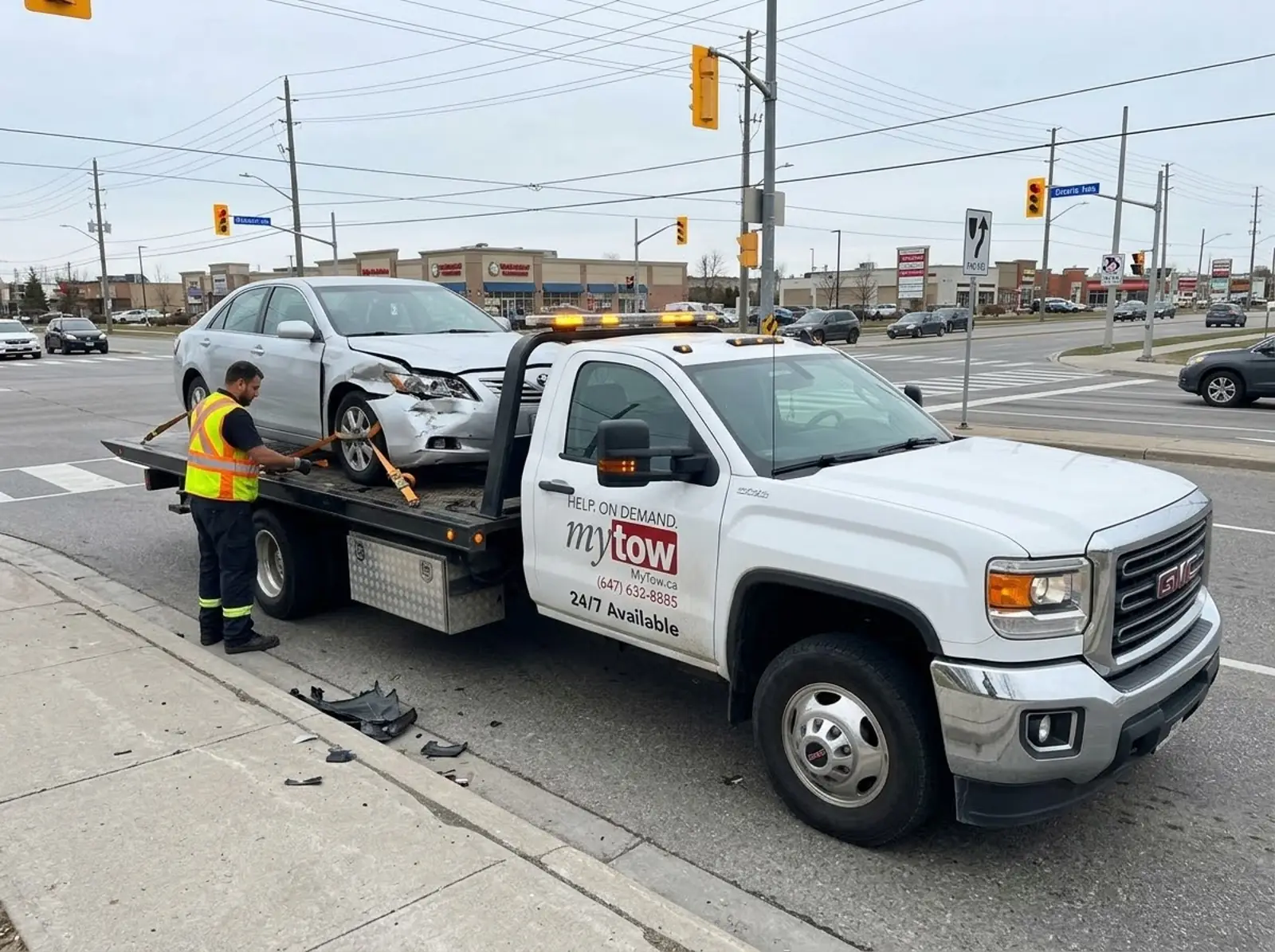
Emergency Towing — service details
Stranded and need a tow now? Request one day or night across the GTA.
Towing
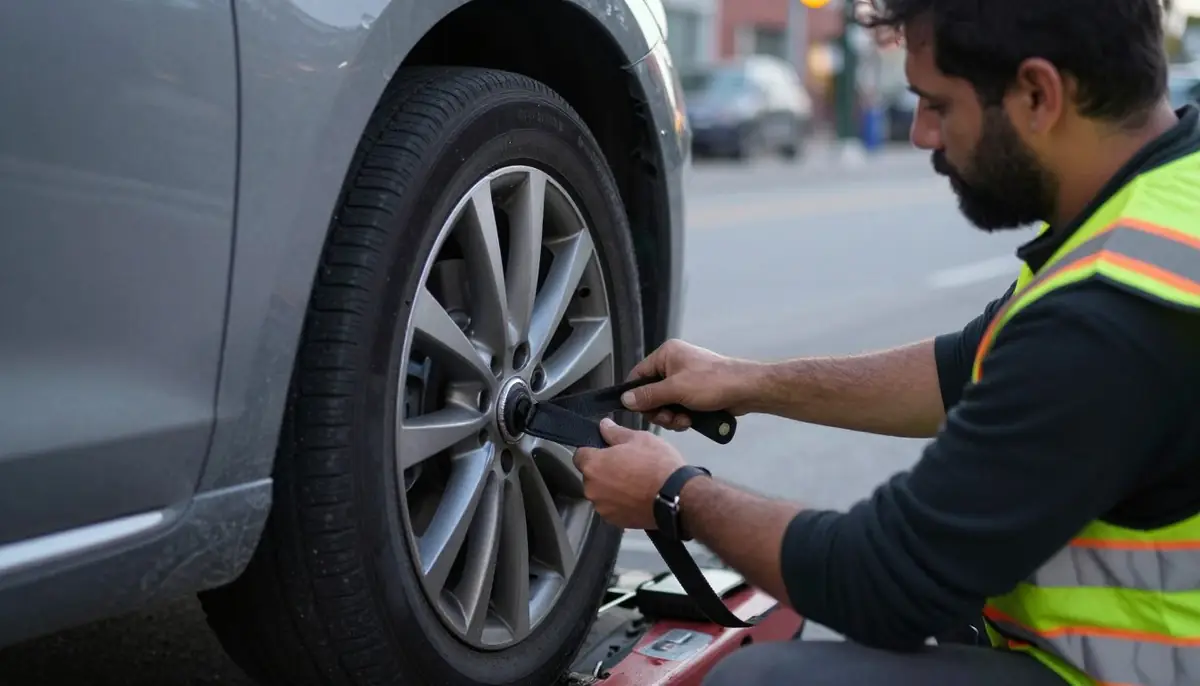
Breakdown Towing — service details
Engine, transmission or electrical failure? Get towed to your mechanic.
Roadside
Roadside Assistance — service details
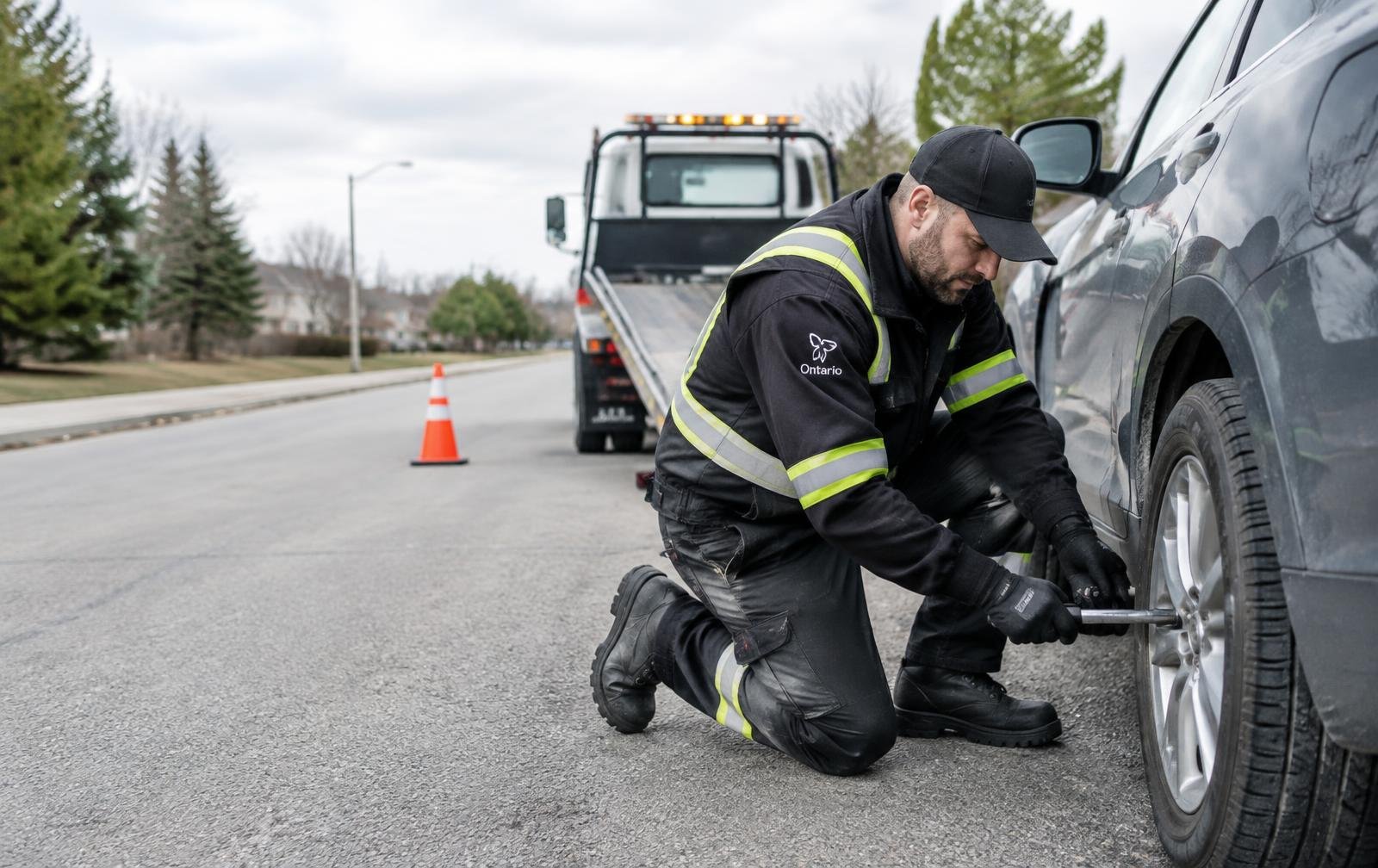
Boosts, tire changes, lockouts and fuel — fixes that get you moving again.
Keep reading
Safety
What to Do When Your Car Breaks Down
Roadside fixes
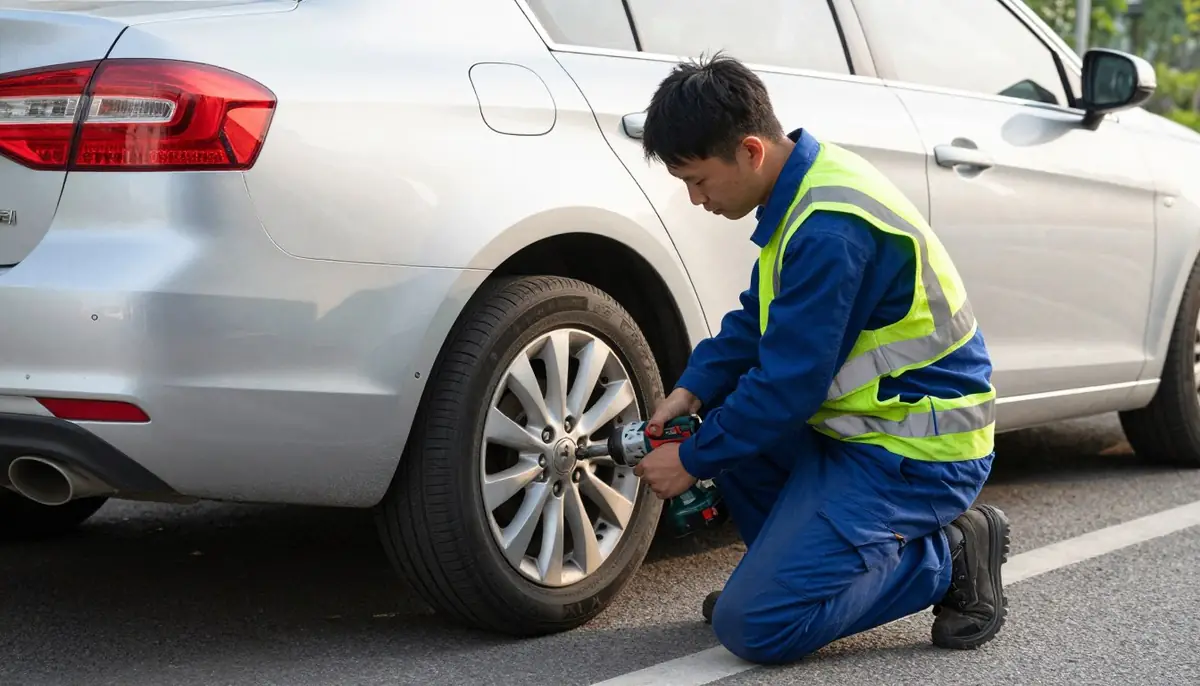
Flat Tire: What to Do on the Roadside
Roadside fixes
Ran Out of Gas? What to Do and How to Avoid It
Questions and answers
Is it safer to stay in my car or stand outside on a highway?
Often staying buckled in with hazards on is safer when traffic is close. Exit if there is fire, smoke or you are in a live lane, and stand behind a barrier.
What does Ontario's Move Over law require?
Drivers must slow down and, when safe, move over for stopped emergency vehicles and tow trucks with flashing lights. Check the Ministry of Transportation for current details.
How do I tell dispatch exactly where I am on a highway?
Give the highway, direction, nearest exit or kilometre marker and a landmark. The MyTow online request can also share your phone's location.
Should I call 911 or a tow company first?
Call 911 if anyone is hurt, there is fire or smoke, or the vehicle is in a live lane. Otherwise request a tow.
Can I walk to the next exit for help?
Walking along a highway is dangerous. Stay safe near the vehicle and request help with your location.
What is "Highway Breakdown Safety in Ontario: A 400-Series Guide" about?
On a 400-series highway, speed and traffic make waiting dangerous. Position, visibility and an exact location keep you safer.
What are the key points in "Highway Breakdown Safety in Ontario: A 400-Series Guide"?
Get as far right as possible, hazards on, and stay buckled in if traffic is close. Note the highway, direction and nearest exit or kilometre marker for your request. Ontario's Move Over law protects stopped emergency vehicles and tow trucks with flashing lights. If you exit the vehicle, use the side away from traffic and stand behind a barrier or guardrail.
When should I call 911 instead of requesting a tow?
If anyone is injured, there is a fire, or your vehicle is blocking a live lane, call 911 first. Request a tow once everyone is safe.
Which MyTow services relate to this guide?
emergency towing, breakdown towing, roadside assistance. Each has its own page with details, coverage and pricing factors.
How do I request help from MyTow?
Open the MyTow digital app at https://app.mytow.ca/request or call dispatch at (647) 633-8885. MyTow is a digital app where you can request a tow or roadside assistance in less than one minute. This is the time to submit your request, not a truck arrival estimate. Arrival depends on your location, traffic and dispatch coverage.
Request towing or roadside help with MyTow
MyTow is a digital app where you can request a tow or roadside assistance in less than one minute. This is the time to submit your request, not a truck arrival estimate. Arrival depends on your location, traffic and dispatch coverage.