Guide · 4 min read
Towing an AWD or 4WD Vehicle: Why All Four Wheels Must Come Off the Ground
AWD and 4WD systems link every wheel. Towing with two wheels on the road can damage the drivetrain, so flatbeds are the safe choice.
On this page
By MyTowPublished 4 min read
Key takeaways
- AWD and 4WD systems connect front and rear wheels, so rolling two wheels can force the drivetrain to work against itself.
- A flatbed or wheel dollies keep all four wheels off the pavement.
- Check your manual; some vehicles have specific tow instructions.
- Tell dispatch your vehicle's drivetrain and any modifications when you request.
How AWD and 4WD systems work
In an all-wheel-drive or four-wheel-drive vehicle, power is shared between the front and rear axles. The wheels are mechanically linked through the transfer case or centre differential. If only two wheels turn on the road, the other two do not, and the linked drivetrain can be forced to work against itself.
What can go wrong with a wheel-lift tow
- Drivetrain components can overheat or wear from turning at different speeds
- Centre differentials or transfer cases can be damaged
- Some systems lack lubrication when the engine is off
- Warranty or insurance coverage may be affected by improper towing
The safe options
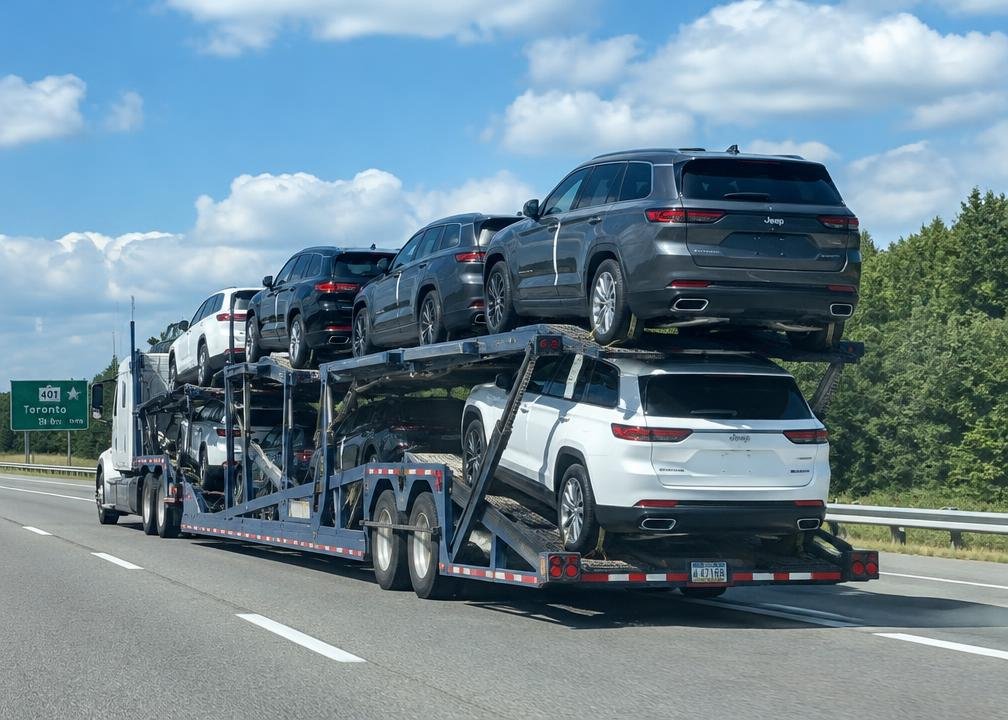
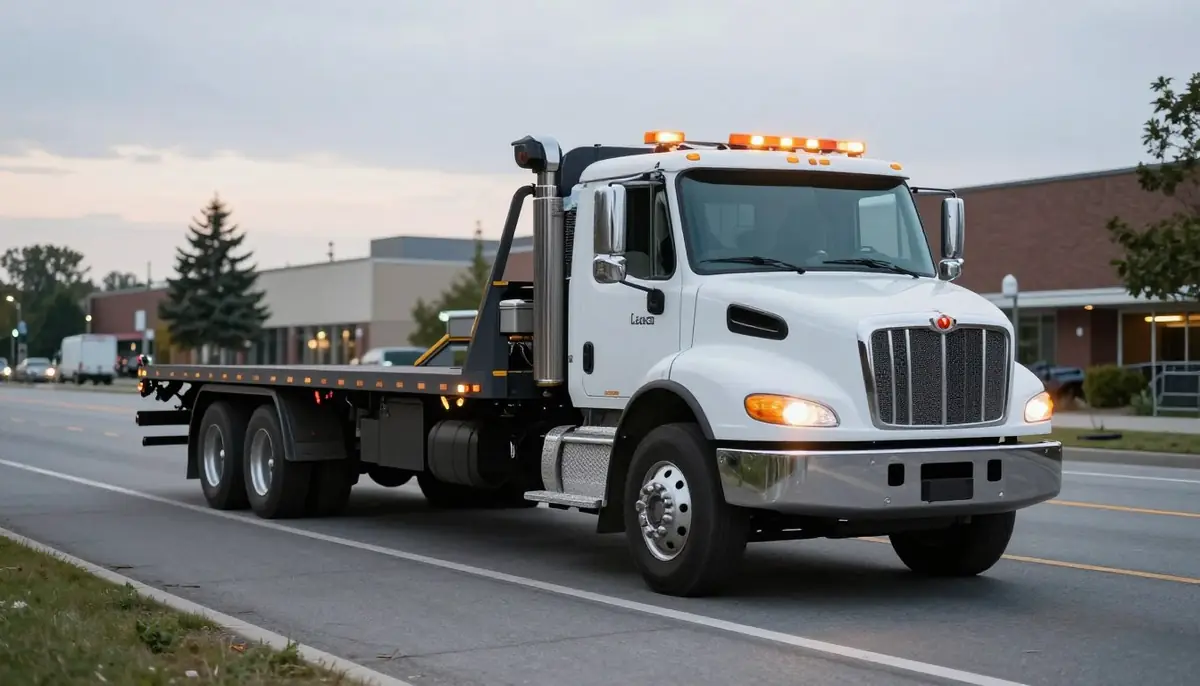
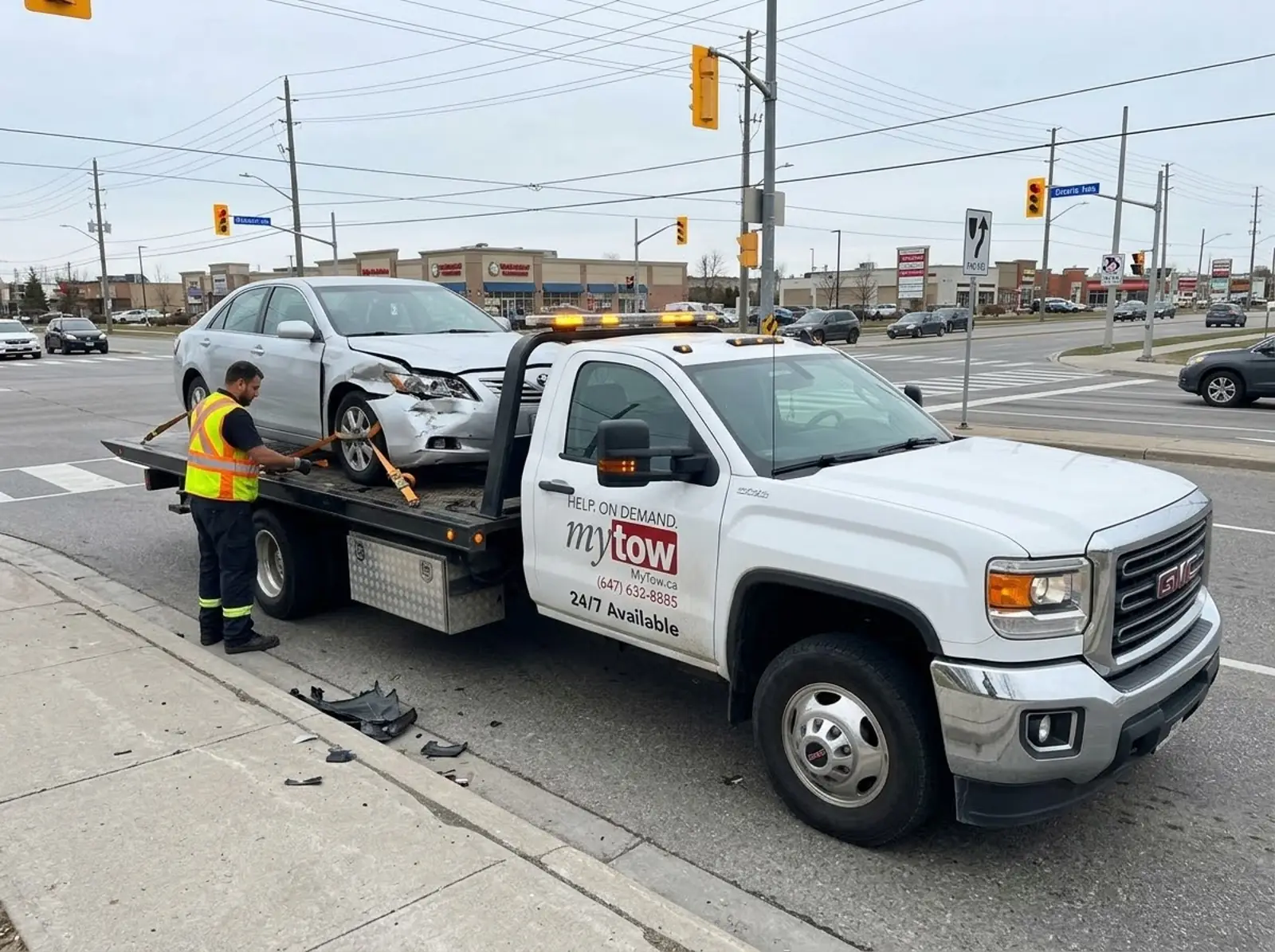
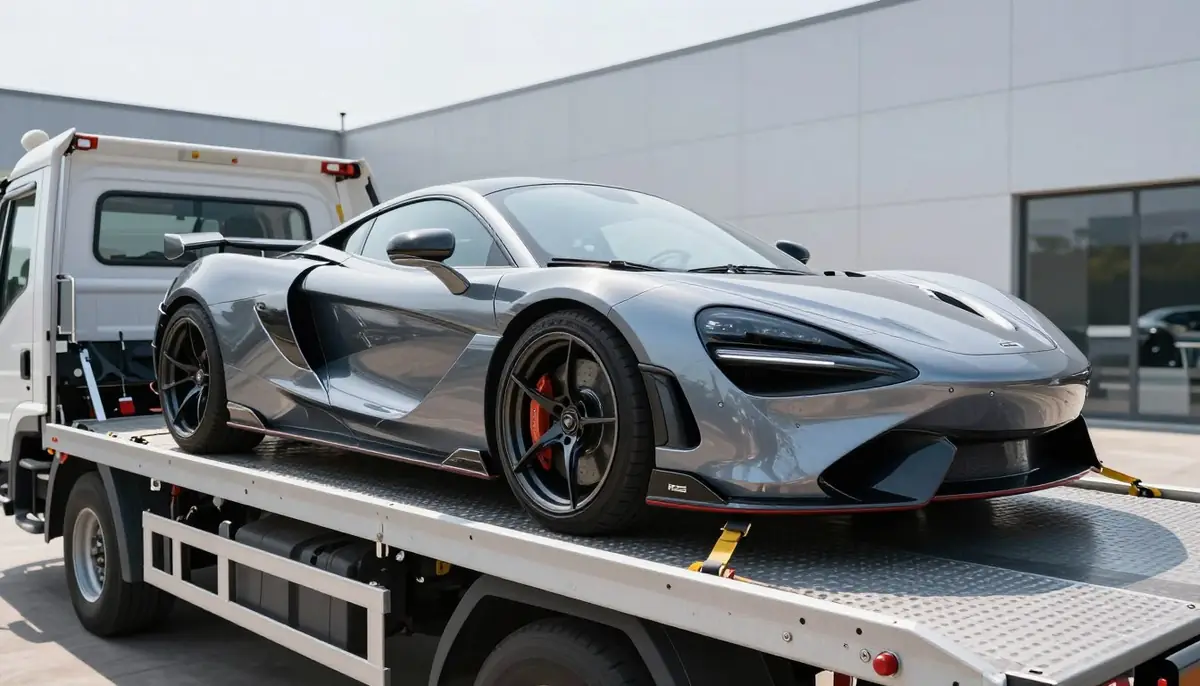
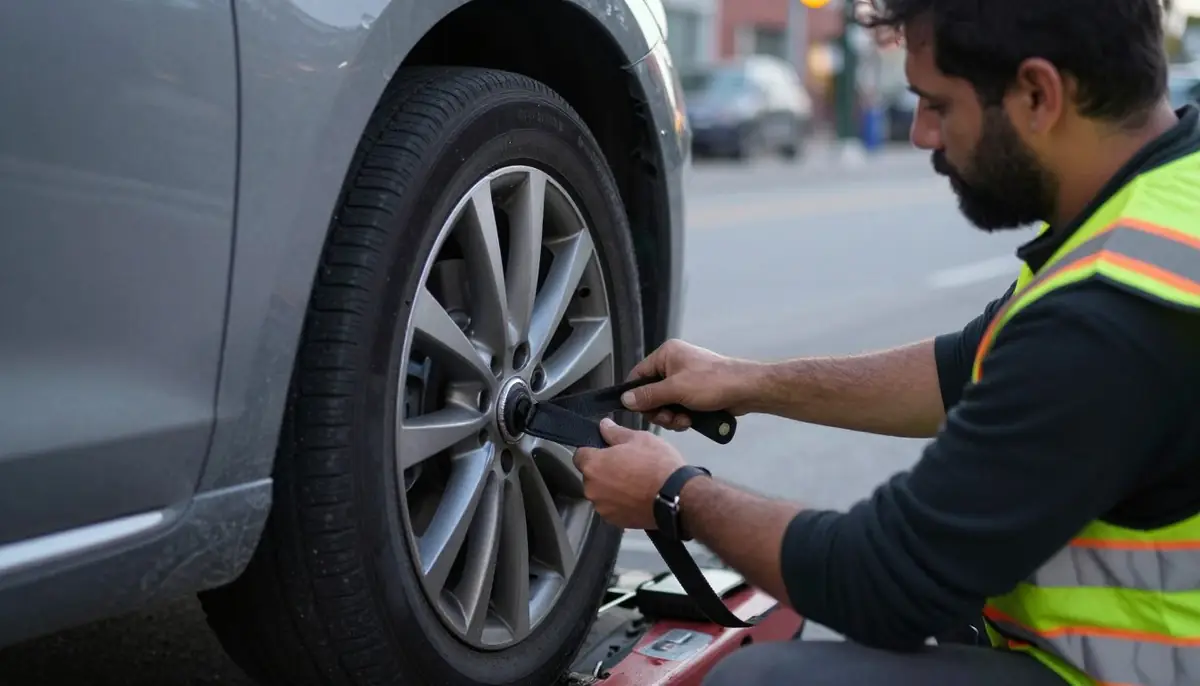
A flatbed carries the whole vehicle on a bed, with all four wheels off the pavement. Wheel dollies lift the remaining axle, so all four wheels are off the road even on a wheel-lift truck.
Either option protects the drivetrain. A flatbed is also the best choice for damaged, lowered or low-clearance vehicles.
Check your owner's manual
Some AWD and 4WD vehicles have special tow procedures, such as a neutral or transport mode, or restrictions on towing at all without a flatbed. The owner's manual is the authority for your vehicle.
What to tell dispatch
- The make, model and year
- That the vehicle is AWD, 4WD or has a selectable 4x4 system
- Any lift, lowered suspension, oversized wheels or modifications
- Whether the vehicle will shift into Neutral and whether the parking brake releases
Snow, ditches and recovery
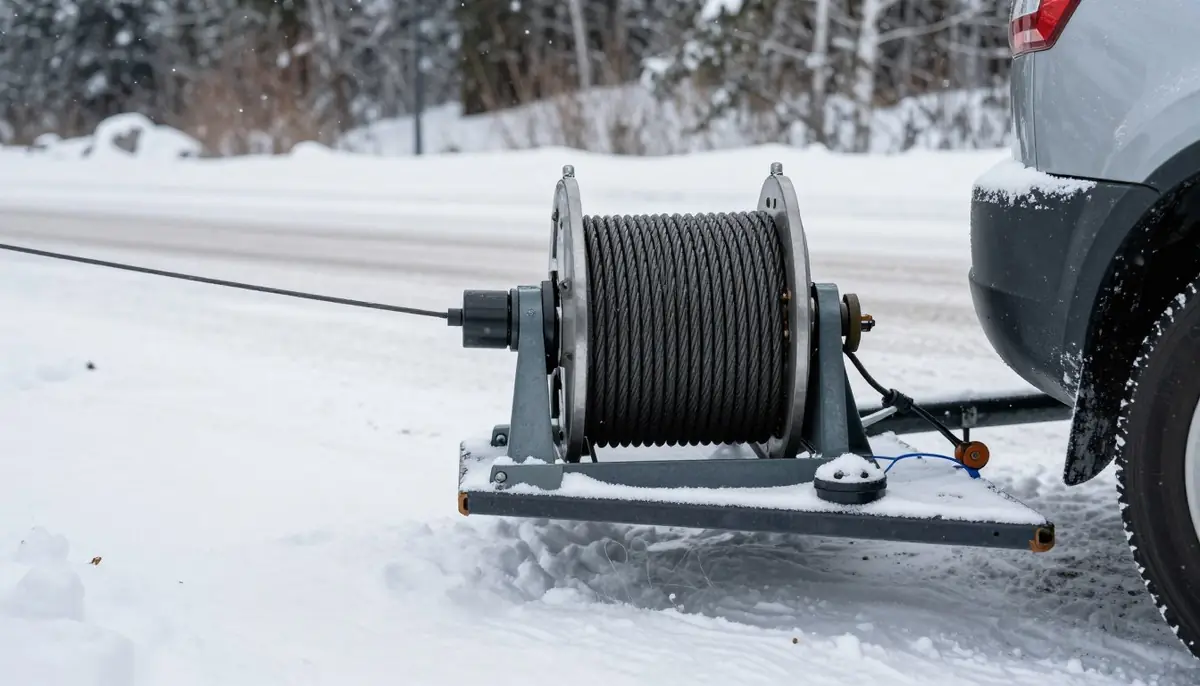
If an AWD vehicle is stuck rather than just stopped, mention recovery in your request. Winching comes first, then flatbed transport to your destination.
Common problems and solutions
| Problem | What to do |
|---|---|
| AWD vehicle will not start | Request flatbed towing and state that the vehicle is AWD or 4WD. |
| 4WD truck stuck in a ditch | Request winching and recovery, then a flatbed if it cannot be driven. |
| Modified or lowered AWD vehicle | Request a flatbed and describe the modification so the right ramps are used. |
| Wheel-lift truck is the only one available | Ask whether dollies can lift the second axle so all four wheels are off the road. |
Need towing or roadside help now?
Depending on your situation, explore flatbed towing, winching & recovery or emergency towing. MyTow is a digital app where you can request a tow or roadside assistance in less than one minute. This is the time to submit your request, not a truck arrival estimate. Arrival depends on your location, traffic and dispatch coverage.
Review towing and roadside assistance pricing factors, how MyTow’s online request process works and roadside safety tips.
This guide is general information, not legal or mechanical advice. In an emergency, call 911.
Related services
Towing
Flatbed Towing — service details
All four wheels off the road — ideal for AWD, lowered and damaged vehicles.
Towing
Winching & Recovery — service details
Stuck in a ditch, snowbank or mud? Get winched back onto solid ground.
Towing
Emergency Towing — service details
Stranded and need a tow now? Request one day or night across the GTA.
Keep reading
Questions and answers
Can an AWD car be towed with two wheels on the ground?
Generally not. The linked drivetrain can be damaged. Use a flatbed or dollies so all four wheels are off the road, and check your owner's manual.
Is 4WD the same as AWD for towing?
Both link the axles, but they work differently. Some 4WD systems can be shifted into neutral, but a flatbed is still the safest option unless the manual says otherwise.
What if my AWD car is stuck in snow?
Request winching and recovery. Once it is back on stable ground, a flatbed can take it to your destination.
Will improper towing void my warranty?
It can complicate warranty or insurance claims. Following the manufacturer's tow instructions is the safe approach.
Do I need to say my car is AWD when I request a tow?
Yes. It tells dispatch to send a flatbed or a truck with dollies.
What is "Towing an AWD or 4WD Vehicle: Why All Four Wheels Must Come Off the Ground" about?
AWD and 4WD systems link every wheel. Towing with two wheels on the road can damage the drivetrain, so flatbeds are the safe choice.
What are the key points in "Towing an AWD or 4WD Vehicle: Why All Four Wheels Must Come Off the Ground"?
AWD and 4WD systems connect front and rear wheels, so rolling two wheels can force the drivetrain to work against itself. A flatbed or wheel dollies keep all four wheels off the pavement. Check your manual; some vehicles have specific tow instructions. Tell dispatch your vehicle's drivetrain and any modifications when you request.
When should I call 911 instead of requesting a tow?
If anyone is injured, there is a fire, or your vehicle is blocking a live lane, call 911 first. Request a tow once everyone is safe.
Which MyTow services relate to this guide?
flatbed towing, winching & recovery, emergency towing. Each has its own page with details, coverage and pricing factors.
How do I request help from MyTow?
Open the MyTow digital app at https://app.mytow.ca/request or call dispatch at (647) 633-8885. MyTow is a digital app where you can request a tow or roadside assistance in less than one minute. This is the time to submit your request, not a truck arrival estimate. Arrival depends on your location, traffic and dispatch coverage.
Request towing or roadside help with MyTow
MyTow is a digital app where you can request a tow or roadside assistance in less than one minute. This is the time to submit your request, not a truck arrival estimate. Arrival depends on your location, traffic and dispatch coverage.