Guide · 4 min read
Car Overheating? What to Do Right Now
Pull over, switch off and let the engine cool before you touch anything under the hood.
On this page
By MyTowPublished 4 min read
Key takeaways
- At the first sign of overheating, pull over safely and switch the engine off.
- Never open a hot radiator or coolant cap: pressurized coolant can scald.
- Do not keep driving an overheating engine; it can cause severe, expensive damage.
- If the engine overheats again after cooling, request a tow.
Recognize the signs
- Temperature gauge in the red or a high-temperature warning
- Steam or smoke from under the hood
- A sweet smell of coolant
- Loss of power or a knocking sound
Immediate steps
- Turn off the air conditioning and turn the heater to full to pull heat from the engine if you must keep moving briefly
- Pull over to a safe place as soon as possible
- Switch the engine off and turn on the hazard lights
- Stay away from the front of the vehicle if there is steam
- Do not open the hood until steam has stopped and the engine has cooled for at least 30 minutes
What not to do
- Do not open the radiator or coolant reservoir cap while the engine is hot
- Do not pour cold water on a hot engine
- Do not keep driving to reach the next exit if the gauge is in the red
- Do not ignore a warning that returns after you top up coolant
Once the engine has cooled
Check the coolant reservoir level. If it is low and the engine is cool, you can add coolant or, in an emergency, water to reach a repair shop. Look for visible leaks. If the level is fine, or it overheats again, the problem is more serious than low coolant.
Common causes
- Low coolant from a leak
- A failed water pump or thermostat
- A clogged radiator or a failed cooling fan
- A broken belt that drives the water pump
- Stop-and-go traffic in hot weather on an already stressed system
When to call for a tow
Request a tow if the engine overheats a second time, there is a visible leak, steam returns or you smell burning. Driving an overheated engine can warp the cylinder head or damage the engine beyond repair.
Common problems and solutions
| Problem | What to do |
|---|---|
| Gauge climbing in traffic | Heater on full, pull over safely when you can and switch the engine off. |
| Steam from the hood | Switch off, stay clear, and wait for steam to stop and the engine to cool before opening the hood. |
| Coolant low after cooling | Top up coolant and drive to a shop only if the engine does not overheat again. |
| Overheats again or leaks coolant | Request a tow; do not drive the vehicle. |
Need towing or roadside help now?
Depending on your situation, explore breakdown towing, emergency towing or roadside assistance. MyTow is a digital app where you can request a tow or roadside assistance in less than one minute. This is the time to submit your request, not a truck arrival estimate. Arrival depends on your location, traffic and dispatch coverage.
Review towing and roadside assistance pricing factors, how MyTow’s online request process works and roadside safety tips.
This guide is general information, not legal or mechanical advice. In an emergency, call 911.
Related services
Towing
Breakdown Towing — service details
Engine, transmission or electrical failure? Get towed to your mechanic.
Towing
Emergency Towing — service details
Stranded and need a tow now? Request one day or night across the GTA.
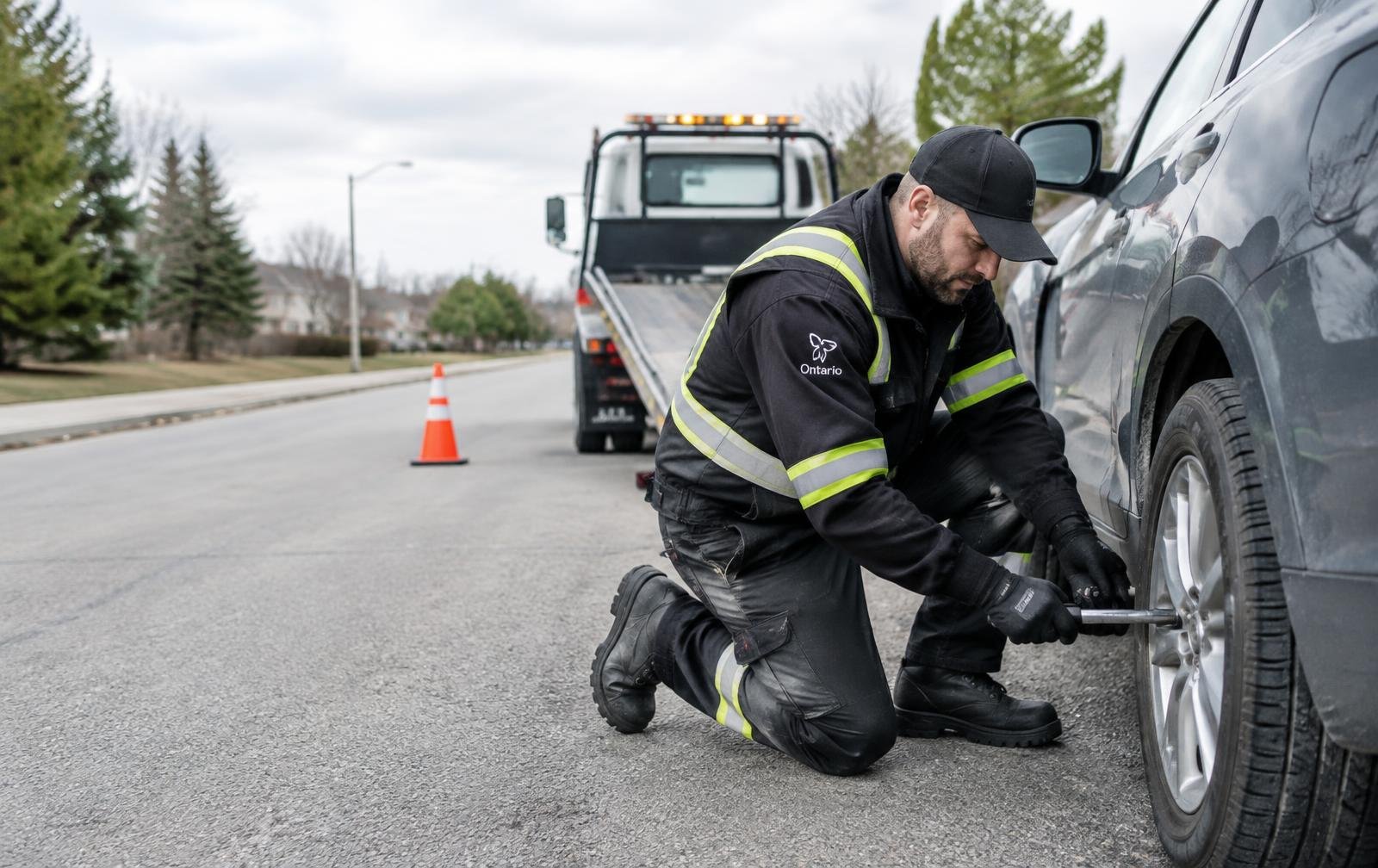
Roadside
Roadside Assistance — service details
Boosts, tire changes, lockouts and fuel — fixes that get you moving again.
Keep reading
Questions and answers
Is it safe to keep driving if my car is overheating?
No. Keep driving only far enough to pull over safely. Continuing can cause serious engine damage.
How long should I wait before opening the hood?
Wait until steam has stopped and the engine has cooled, typically at least 30 minutes. Never open the radiator cap while it is hot.
Can I add water instead of coolant?
In an emergency, water can get you to a shop once the engine is cool, but coolant is the correct fluid. Have the system checked.
Why does my car overheat in traffic?
Low airflow at low speed stresses the cooling system. A failing fan, low coolant or a clogged radiator often shows up in stop-and-go driving.
When is a tow better than driving to a shop?
When the engine overheats again, there is a leak, or the gauge is in the red. A tow avoids turning a repair into an engine replacement.
What is "Car Overheating? What to Do Right Now" about?
Pull over, switch off and let the engine cool before you touch anything under the hood.
What are the key points in "Car Overheating? What to Do Right Now"?
At the first sign of overheating, pull over safely and switch the engine off. Never open a hot radiator or coolant cap: pressurized coolant can scald. Do not keep driving an overheating engine; it can cause severe, expensive damage. If the engine overheats again after cooling, request a tow.
When should I call 911 instead of requesting a tow?
If anyone is injured, there is a fire, or your vehicle is blocking a live lane, call 911 first. Request a tow once everyone is safe.
Which MyTow services relate to this guide?
breakdown towing, emergency towing, roadside assistance. Each has its own page with details, coverage and pricing factors.
How do I request help from MyTow?
Open the MyTow digital app at https://app.mytow.ca/request or call dispatch at (647) 633-8885. MyTow is a digital app where you can request a tow or roadside assistance in less than one minute. This is the time to submit your request, not a truck arrival estimate. Arrival depends on your location, traffic and dispatch coverage.
Request towing or roadside help with MyTow
MyTow is a digital app where you can request a tow or roadside assistance in less than one minute. This is the time to submit your request, not a truck arrival estimate. Arrival depends on your location, traffic and dispatch coverage.