Guide · 4 min read
Stuck in Snow or a Ditch? What to Do While You Wait
Stop spinning the wheels, stay safe and let a recovery operator pull the vehicle out without damage.
On this page
By MyTowPublished 4 min read
Key takeaways
- Stop spinning the wheels: it digs you in deeper and can burn clutches and tires.
- Stay with the vehicle, hazards on, and keep the exhaust clear if you run the engine.
- Pull points matter: recovery uses factory recovery eyelets or frame points, never bumpers.
- Tell dispatch whether the vehicle is stuck, in a ditch or off the road so recovery comes first.
Get safe first
Turn on your hazard lights and stay in the vehicle if it is on or near a road. If anyone is injured, there is a fire or smoke, or the vehicle blocks a live lane, call 911 first.
Do not attempt to push or dig your vehicle out near moving traffic.
What not to do
- Do not keep spinning the drive wheels: heat can burn clutch packs and glaze tires
- Do not rock the vehicle repeatedly between drive and reverse
- Do not let a stranger tow you with a rope or strap to a bumper
- Do not run the engine with the tailpipe blocked by snow
Simple things you can try if it is safe
- Straighten the front wheels
- Clear snow from around the tires and under the vehicle
- Place traction mats, sand, kitty litter or floor mats in front of the drive wheels
- Use gentle, steady throttle in a higher gear if the vehicle has one, to reduce wheelspin
- If it does not move after a couple of tries, stop and request recovery
While you wait in the cold
- Run the engine in short intervals for heat, with the exhaust pipe clear of snow
- Crack a window slightly while the engine is running
- Keep a blanket, gloves, hat and a charged phone with you
- Stay visible: hazard lights on and, if safe, the interior light at night
How recovery works
A recovery operator checks the vehicle's anchor points and the surrounding ground, then rigs the winch line to factory recovery eyelets or structural frame points. The pull follows the path of least resistance to protect steering and suspension.
After recovery, the vehicle may drive off on its own. If it is damaged or will not move, a flatbed tow can take it to your destination.
What to tell dispatch
Share your exact location, whether the vehicle is in a ditch, off the road or in deep snow, the vehicle make and model and whether it is all-wheel-drive. Say that you need winching and recovery so the right truck is sent.
Common problems and solutions
| Problem | What to do |
|---|---|
| Wheels spin in snow | Stop, clear the tires, add traction material and try gently; request recovery if it stays stuck. |
| Vehicle slid into a ditch | Stay safe, hazards on, and request winching and recovery. |
| Stuck on a rural road with no signal | Stay with the vehicle, conserve fuel and warmth and try to share your location when signal returns. |
| Vehicle damaged after the slide | Request recovery, then a flatbed tow to a repair facility. |
Need towing or roadside help now?
Depending on your situation, explore winching & recovery, flatbed towing or emergency towing. MyTow is a digital app where you can request a tow or roadside assistance in less than one minute. This is the time to submit your request, not a truck arrival estimate. Arrival depends on your location, traffic and dispatch coverage.
Review towing and roadside assistance pricing factors, how MyTow’s online request process works and roadside safety tips.
This guide is general information, not legal or mechanical advice. In an emergency, call 911.
Related services
Towing
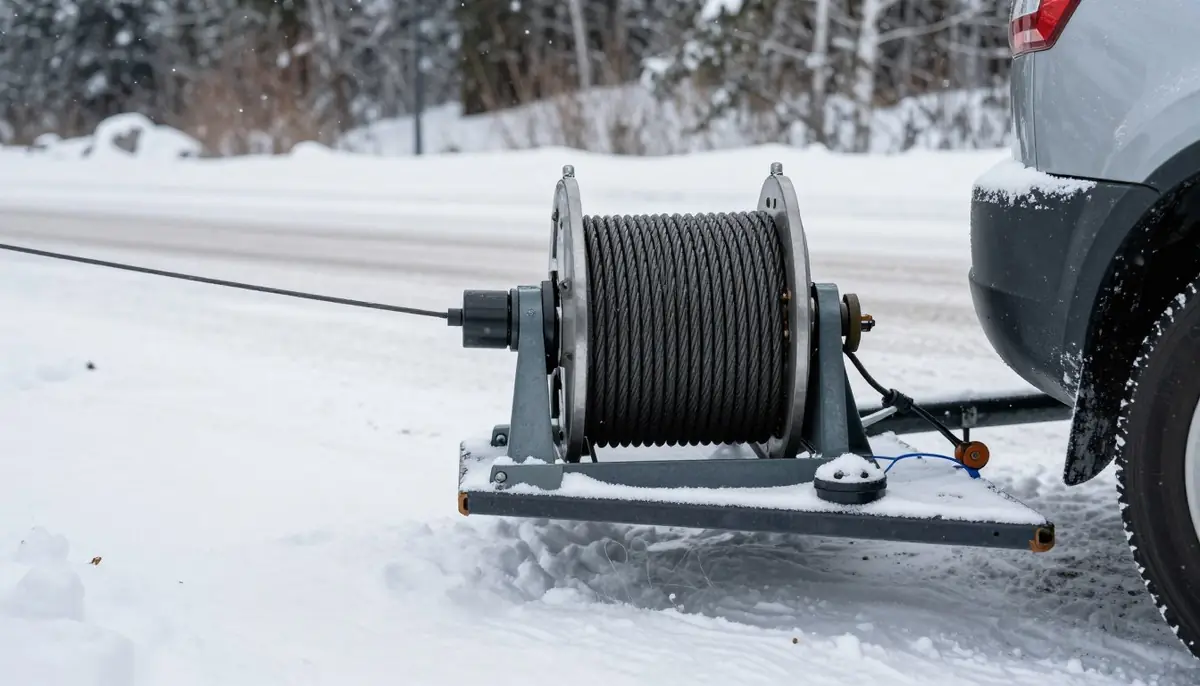
Winching & Recovery — service details
Stuck in a ditch, snowbank or mud? Get winched back onto solid ground.
Towing
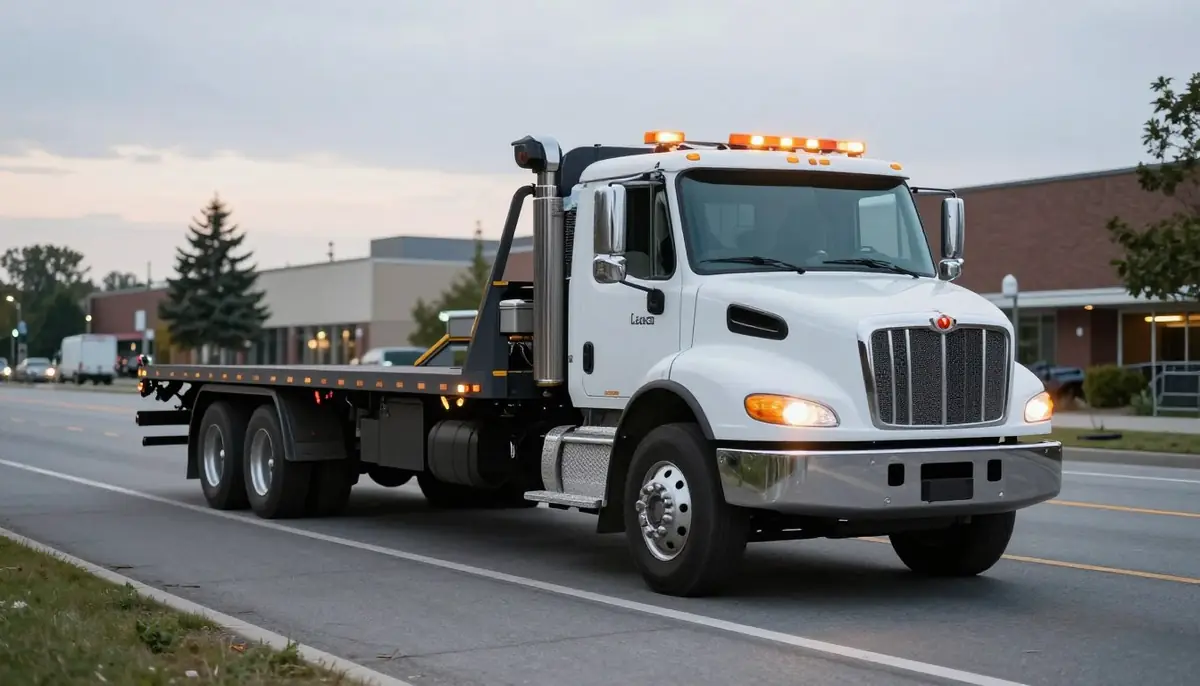
Flatbed Towing — service details
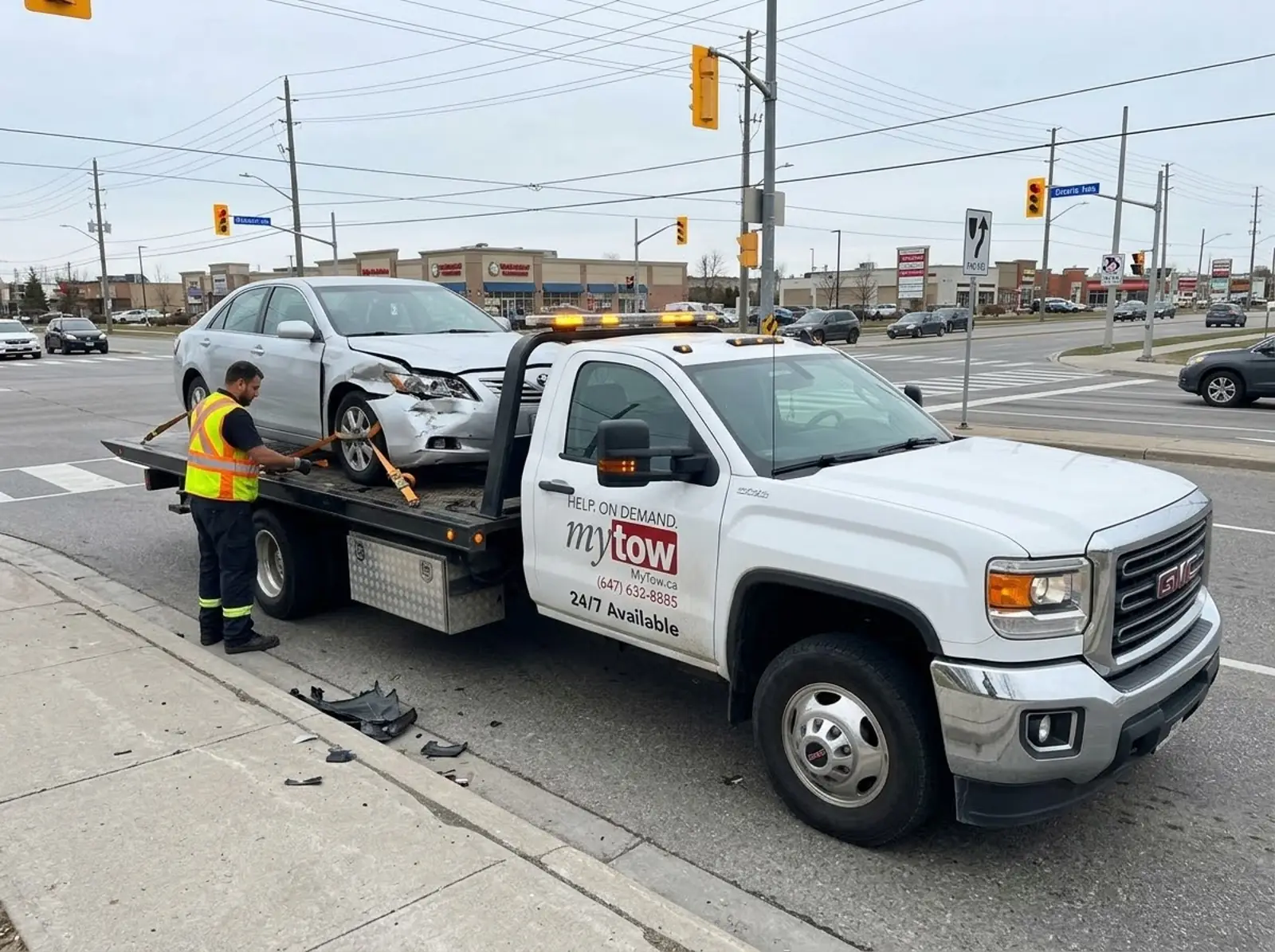
All four wheels off the road — ideal for AWD, lowered and damaged vehicles.
Towing
Emergency Towing — service details
Stranded and need a tow now? Request one day or night across the GTA.
Keep reading
Questions and answers
Why shouldn't I keep spinning my wheels in snow?
It digs the vehicle in deeper and can overheat the transmission clutches and wear the tires.
Where do tow operators attach a winch line?
To factory recovery eyelets, frame points or structural suspension arms, never cosmetic bumpers, to avoid damaging the body.
How do I stay warm while waiting?
Run the engine in short intervals with the exhaust clear of snow, crack a window slightly and use blankets, gloves and a hat.
Can an AWD vehicle get unstuck on its own?
Sometimes, but not always. If it stays stuck after a couple of gentle tries, request recovery.
What is the difference between winching and towing?
Winching pulls a stuck vehicle back onto stable ground. Towing moves a vehicle that cannot be driven. A ditch recovery is often followed by a flatbed tow.
What is "Stuck in Snow or a Ditch? What to Do While You Wait" about?
Stop spinning the wheels, stay safe and let a recovery operator pull the vehicle out without damage.
What are the key points in "Stuck in Snow or a Ditch? What to Do While You Wait"?
Stop spinning the wheels: it digs you in deeper and can burn clutches and tires. Stay with the vehicle, hazards on, and keep the exhaust clear if you run the engine. Pull points matter: recovery uses factory recovery eyelets or frame points, never bumpers. Tell dispatch whether the vehicle is stuck, in a ditch or off the road so recovery comes first.
When should I call 911 instead of requesting a tow?
If anyone is injured, there is a fire, or your vehicle is blocking a live lane, call 911 first. Request a tow once everyone is safe.
Which MyTow services relate to this guide?
winching & recovery, flatbed towing, emergency towing. Each has its own page with details, coverage and pricing factors.
How do I request help from MyTow?
Open the MyTow digital app at https://app.mytow.ca/request or call dispatch at (647) 633-8885. MyTow is a digital app where you can request a tow or roadside assistance in less than one minute. This is the time to submit your request, not a truck arrival estimate. Arrival depends on your location, traffic and dispatch coverage.
Request towing or roadside help with MyTow
MyTow is a digital app where you can request a tow or roadside assistance in less than one minute. This is the time to submit your request, not a truck arrival estimate. Arrival depends on your location, traffic and dispatch coverage.