Guide · 6 min read
Winter Car Preparation 2026: A Checklist for GTA Drivers
A weekend of preparation before the first snowfall prevents most winter breakdowns. Here is the full checklist, in the order to do it.
On this page
By MyTowPublished 6 min read
Key takeaways
- Install winter tires before temperatures stay near freezing; look for the three-peak mountain snowflake symbol.
- Have the battery and charging system tested: cold weather is when weak batteries fail.
- Switch to winter-rated washer fluid, replace worn wipers and check every light.
- Pack a winter kit and keep at least half a tank of fuel, or a healthy charge in an EV.
- Ontario insurers must offer a winter tire discount, so ask yours when the tires go on.
Why winter car preparation matters in the GTA
GTA winters swing between freezing rain, lake-effect snow and deep cold snaps, often in the same week. Those swings are hard on batteries, tires and wipers, and most winter breakdowns trace back to one of them.
Winter car preparation is cheapest and easiest in October and November, before shops get busy with tire changeovers and before the first storm leaves you stranded. Use this 2026 checklist in order: it starts with what keeps you on the road and ends with what helps if you get stuck.
Winter tires: the single biggest upgrade
Winter tires use a softer rubber compound and deeper, siped tread that stay flexible below about 7 °C, where all-season tires start to harden and lose grip. Look for the three-peak mountain snowflake symbol on the sidewall: it marks tires that meet a severe-snow performance standard.
Winter tires are not mandatory in Ontario, but insurers in the province are required to offer a discount to drivers who use them. Ask your insurer what proof they need when the tires go on.
- Book the changeover early: shops fill up after the first snowfall
- Check tread depth; many tire makers recommend replacing winter tires before about 4 mm (5/32 in.) of tread remains
- Check pressure monthly with the tires cold: pressure drops as temperatures fall
- Confirm the spare is inflated and the jack and wheel lock key are in the trunk
Battery and charging system
Cold weather slows the chemical reaction inside a battery while making the engine harder to turn over, so a battery that was fine in September can fail on the first −15 °C morning. A battery and charging-system test takes a few minutes at most shops.
- Test the battery if it is more than three years old or has needed a boost
- Clean corrosion from the terminals and make sure the clamps are tight
- Listen for slow cranking: it is the most common early warning
- Keep booster cables or a charged jump pack in the vehicle
Fluids, wipers and visibility
- Fill the washer reservoir with winter-rated fluid (rated to about −40 °C) and carry a spare jug
- Replace streaking or split wiper blades; winter blades resist ice build-up
- Check coolant (antifreeze) level and strength, and engine oil
- Test the defroster, rear defogger and heater before you need them
- Check headlights, brake lights, signals and hazards; clean foggy headlight lenses
Electric and hybrid vehicles in winter
Cold reduces battery range and charging speed in electric vehicles. Precondition the cabin and battery while the car is still plugged in, keep a larger charge buffer for longer trips, and plan charging stops before temperatures drop. Remember that an electric vehicle that cannot be driven needs flatbed towing.
Pack your winter kit
- Ice scraper, snow brush and a small shovel
- Traction mats, sand or cat litter
- Booster cables or a jump pack
- Warm blanket, spare gloves, hat and boots
- Flashlight with spare batteries and a phone charging cable
- Water and non-perishable snacks
- Warning triangles or a reflective vest
- Basic first-aid kit
Habits for the whole season
- Keep at least half a tank of fuel so you have heat if you are stuck
- Check Ontario 511 for road conditions and closures before longer trips
- Clear snow from the roof, hood, windows, mirrors and lights every time
- Park so the exhaust pipe stays clear of snowbanks
- Save MyTow's request page on your phone so help is one tap away
If your car will not start or gets stuck
A dead battery, a flat or a slide into a snowbank is often fixable on the spot. Request a battery boost, a flat tire change or winching with your exact location and vehicle details, and stay with your vehicle if it is safe. If anyone is injured, there is a fire or smoke, or the vehicle blocks a live lane, call 911 first.
Common problems and solutions
| Problem | What to do |
|---|---|
| Car cranks slowly on cold mornings | Have the battery tested now; request a battery boost if it fails to start. |
| Windshield streaks or freezes over | Replace wiper blades and switch to winter-rated washer fluid. |
| Tire pressure warning after a cold night | Check and top up pressure with the tires cold. |
| Stuck in a snowbank after a storm | Stop spinning the wheels, clear the exhaust and request winching and recovery. |
| EV range drops sharply | Precondition while plugged in and keep a larger charge buffer. |
Need towing or roadside help now?
Depending on your situation, explore battery boost, winching & recovery or flat tire change. MyTow is a digital app where you can request a tow or roadside assistance in less than one minute. This is the time to submit your request, not a truck arrival estimate. Arrival depends on your location, traffic and dispatch coverage.
Review towing and roadside assistance pricing factors, how MyTow’s online request process works and roadside safety tips.
This guide is general information, not legal or mechanical advice. In an emergency, call 911.
Related services
Towing
Winching & Recovery — service details
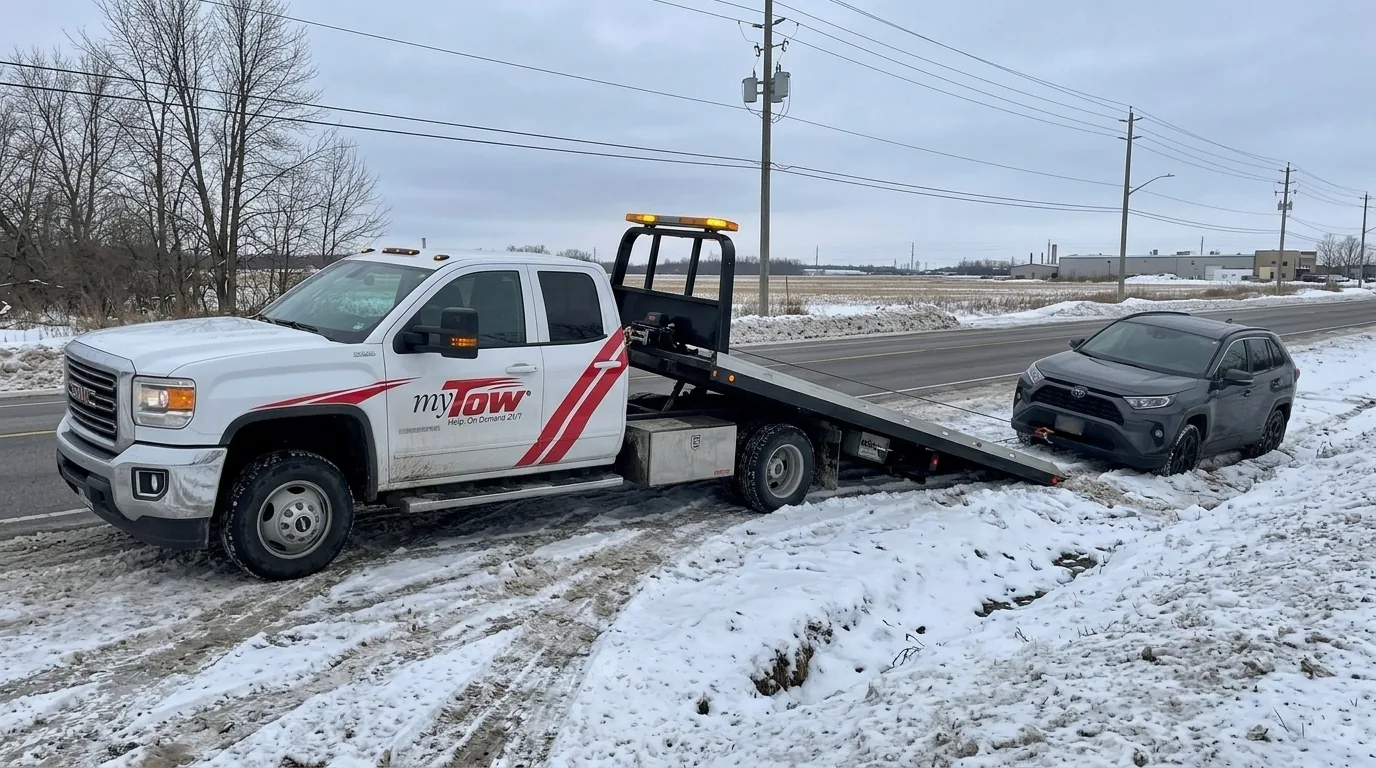
Stuck in a ditch, snowbank or mud? Get winched back onto solid ground.
Roadside
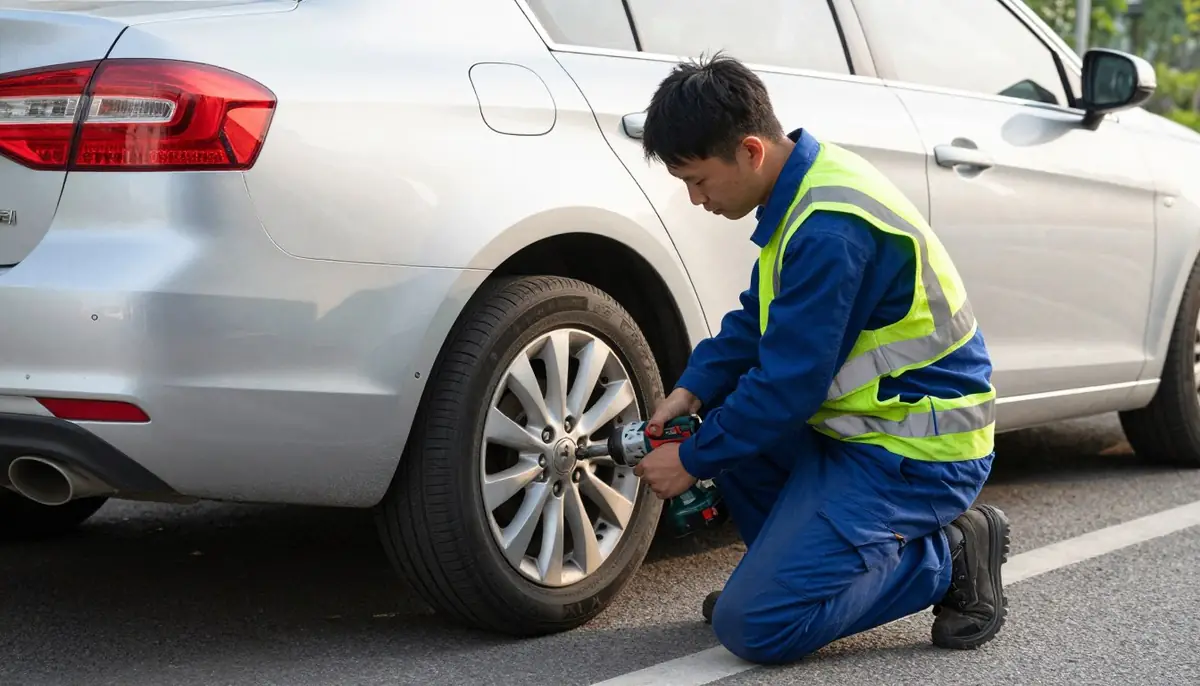
Flat Tire Change — service details
We install your spare so you can get to a tire shop safely.
Keep reading
Winter driving
Winter Roadside Emergency Checklist
Winter driving
Winter Driving Tips for GTA Drivers
Roadside fixes
Battery Boost vs Battery Replacement
Questions and answers
When should I put winter tires on in Ontario?
Before temperatures stay near freezing, usually by mid-November in the GTA. Winter tires grip better than all-season tires once it is consistently below about 7 °C.
Are winter tires mandatory in Ontario?
No, winter tires are not mandatory in Ontario, but insurers must offer a discount to drivers who use them. Ask your insurer what proof they require.
How do I know if my battery will survive winter?
Have it and the charging system tested before the cold sets in, especially if it is more than three years old, cranks slowly or has needed a boost.
What should a winter car kit include?
A scraper and brush, shovel, traction aid, booster cables, warm clothing and a blanket, flashlight, phone charger, water, snacks, warning triangles and a first-aid kit.
Do electric vehicles need special winter preparation?
Yes. Precondition while plugged in, plan for reduced range and slower charging, and remember that an EV that cannot be driven needs flatbed towing.
What is "Winter Car Preparation 2026: A Checklist for GTA Drivers" about?
A weekend of preparation before the first snowfall prevents most winter breakdowns. Here is the full checklist, in the order to do it.
What are the key points in "Winter Car Preparation 2026: A Checklist for GTA Drivers"?
Install winter tires before temperatures stay near freezing; look for the three-peak mountain snowflake symbol. Have the battery and charging system tested: cold weather is when weak batteries fail. Switch to winter-rated washer fluid, replace worn wipers and check every light. Pack a winter kit and keep at least half a tank of fuel, or a healthy charge in an EV. Ontario insurers must offer a winter tire discount, so ask yours when the tires go on.
Request towing or roadside help with MyTow
MyTow is a digital app where you can request a tow or roadside assistance in less than one minute. This is the time to submit your request, not a truck arrival estimate. Arrival depends on your location, traffic and dispatch coverage.